

SAFETY AND MAINTENANCE
At Pilot Rise, safety isn’t a slogan—it’s a system.
Every flight, procedure, and decision is built on structured oversight, strong standards, and proactive risk management.
Is Flying Safe?
For most people new to flying, the biggest question is simple: “Is this safe?”
The answer: Yes—far safer than most people realize.
General aviation today is built on layers of protection, strict procedures, and well-established training standards. When pilots follow proper training and operate within limits, aviation becomes one of the safest activities you can do—much safer than driving to the airport.
How we Remain Safe:
- Standardized procedures
- Thorough training & testing
- Continuous risk management
- Strict maintenance requirements
- Multi-layer safety policies
- Redundant systems and backups
- Safety culture that encourages reporting issues
Our Safety Management System (SMS)
We follow the four FAA-recognized pillars: Safety Policy, Risk Management, Assurance, Promotion.
1. Safety Policy
Everyone participates in safety—students, renters, instructors.
-
Any person may initiate a safety stop at any time
-
Open reporting: concerns go directly to management
-
Weather minimums published for each experience level
-
Training standards: checklists, procedures, memory items, decision making
-
Instructor oversight: rigorous hiring, evaluations, and continuous training
-
Quality tracking: digital records monitor safety trends and performance
- Example safety policy: towbar pins attached to aircraft keys; remove towbar immediately after use
2. Safety Risk Management
We take a proactive approach to identifying and controlling risk before it affects a flight.
- Before every flight, instructors identify potential risks and plan mitigations
- During the flight, they actively reassess conditions and adjust the plan as needed
- Threats are handled early—before they can grow into errors or undesirable aircraft states.
- Operational trends are reviewed so we can address issues long before they affect safety
- Any new risk or concern is shared immediately with the team
The goal is constant: stay ahead of hazards, make smart decisions early, and keep every flight safe.

3. Safety Assurance
We verify safety through:
- Regular audits
- Ride-alongs
- Policy reviews
Any issue triggers immediate correction and follow-up.
4. Safety Promotion
Safety is part of daily culture:
- Briefings and instructor meetings
- The chief instructor attends monthly Hicks Airport safety meetings
- A strong Just Culture where anyone can raise concerns without retaliation
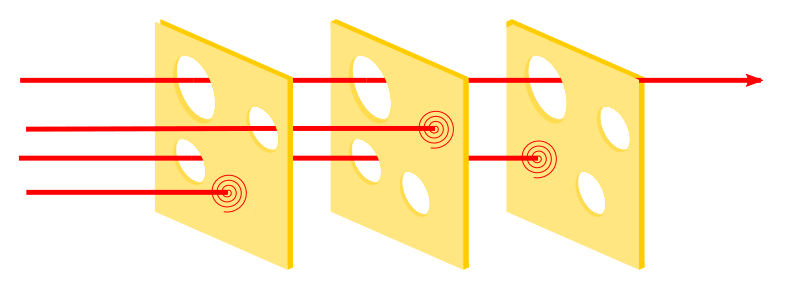
The Swiss Cheese Model in Action
We rely on layered protections: checklists, training, monitoring, audits, and culture.
If one layer misses something, another catches it.
We choose to make the safe decision every time.
Maintenance: Where Safety Meets Precision
Our maintenance standards exceed regulatory requirements.
Aircraft are serviced by a top-rated shop on field.
- 100-Hour Inspections on every aircraft (many owners skip these)
- Beyond-required checks: e.g., magnetos inspected every 500 hours
- Transparency: maintenance records visible in our scheduling system
- Quality repairs: worn parts replaced quickly, with high-quality components
- Thorough preflight training adds another safety layer before every flight
Maintenance is not an expense—it’s an investment in reliability and safety.
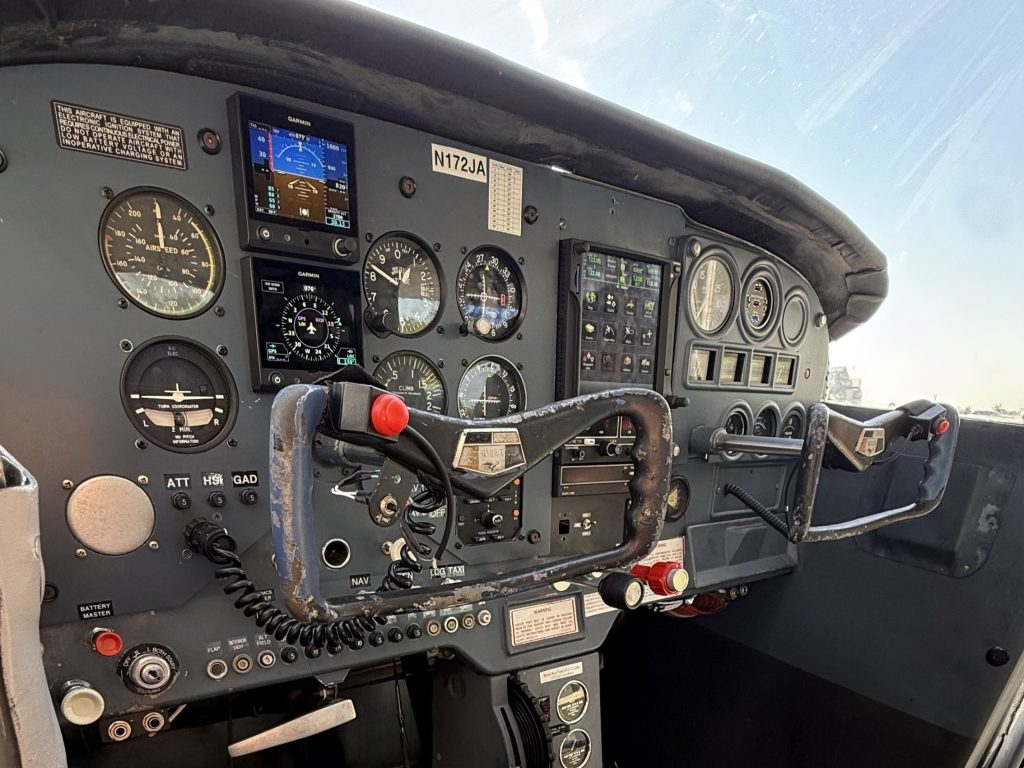
Fly with Confidence
Every system and policy at Pilot Rise exists to protect you.
When you train with us, you fly in one of the most safety-focused environments in general aviation.